Table Of Content

Pregnant women often utilize these scans to track the fetus’s growth. A transducer, which generates the sound waves, and a monitor, which shows the obtained pictures, are the pieces of equipment used in ultrasound scanning. Thanks to considerable advancements in ultrasound technology, medical experts may now acquire comprehensive photos of the baby, including traits like baby hair. Indeed, the existence of baby hair may be seen in the high-resolution pictures generated by contemporary ultrasound scanners, offering an intriguing window into the developing fetus. Sonography, another name for ultrasound, is a kind of medical imaging in which images of the interior of the body are produced by sound waves. Ultrasound is an essential tool in prenatal treatment for tracking the fetus’ growth and development.
Table of Contents
In order to try and determine whether or not there is hair present, technicians must look closely at the specific area where the baby’s head will be located during the scan. The technician should also use special techniques such as contrast imaging, Doppler flow mapping, and 3D imaging. These methods can help increase visibility and make it easier for them to spot any signs of potential hair growth. They develop it inside the womb to keep warm and regulate their body temperature.
What Weeks Do You Get Ultrasounds During Pregnancy?

The significant factors that determine whether a baby will have hair or not are genetics and hormones. Unlike 2D and 3D ultrasounds that use sound waves to create images,4D ultrasounds can produce a live video of a baby. It uses sound waves with pictures taken at different angles to create a 3D view. However, the 2D ultrasound is the only ultrasound capable of giving a hint of hair on a baby’s head. Some parents ask how to tell if baby has hair on 3d ultrasound to get a clearer picture of their baby in their minds.
How To Tell if Baby Has Hair On Ultrasound
One of the most common ultrasound results is the ability to see different human organs and structures. While ultrasound is a useful diagnostic tool for learning about a baby’s growth, development of its organs, and general health, it may not be able to identify some physical traits like baby hair. The rate and thickness of hair development are greatly influenced by factors such as genetics, hormones, and diet.
Lanugo
Ultrasounds are a popular way for parents-to-be to get a glimpse of their baby before they are born. The ultrasound is an imaging technique used to create a picture of the baby in the womb. While most parents look forward to seeing their baby’s face, some may also be curious about whether or not their baby has any hair on the ultrasound.
Addressing the common misconception about visualizing baby hair on ultrasound
Even if you could, their hair color will likely change in the first few months of life. This is why so many people who have grown up with dark hair may have had blond hair as a child or vice versa. It takes about two years for what’s called terminal hair to grow in, so your baby’s hair will likely keep surprising you, just like it did when you were pregnant. To better understand the possibility of seeing hair through a 3d ultrasound, let us consider the different types of ultrasounds used to monitor a baby’s development.
Adorable baby has incredible bouffant hair down to shoulders at just four months and even had a ‘quiff’ on... - The Sun
Adorable baby has incredible bouffant hair down to shoulders at just four months and even had a ‘quiff’ on....
Posted: Mon, 08 May 2017 07:00:00 GMT [source]
There are a few potential reasons why some babies may be born without hair. If either parent has a history of baldness or thinning hair, the baby may be more likely to be born without much hair. The phenomenon is relatively rare but not unheard of; experts say the excess hair was likely caused when the fetus produced too much testosterone or by genetics. The parents are hoping for a healthy birth and plan to keep an eye on any changes in the future. This initial ultrasound may be followed by an anatomy scan which usually happens between weeks of pregnancy.
Around this time, the fuzzy halo of hair will be visible on ultrasounds. The process of postnatal hair development is an intriguing one that differs from person to person. Some newborns have all of their hair at birth, while others may have very little or none at all. While there are variations in the postnatal hair development timetable, most newborns begin to grow hair during the first few months of life. As mentioned earlier, genetics play a significant role in determining the amount and type of hair a newborn will have. Your baby inherits genes from both you and your partner, which can influence their hair color, texture, and growth patterns.
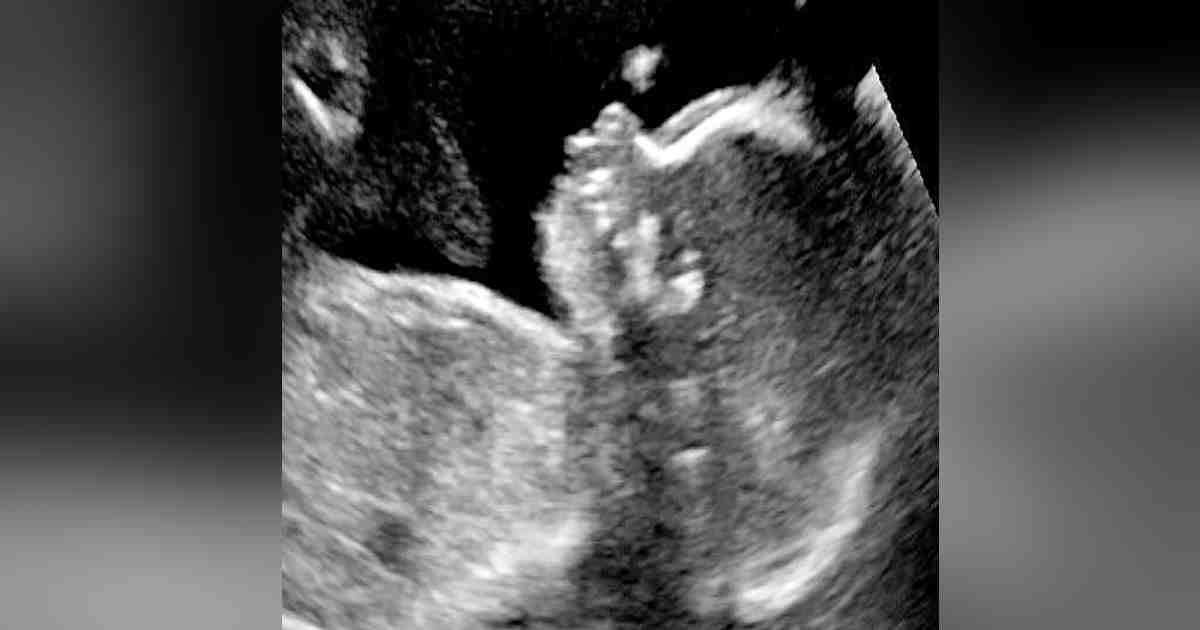
If the hair your baby is born with is something you wish to promote then research advises that pregnant moms should ensure their diet is rich in omega 3 and fish oils. Not only will this vitamin help boost brain development and stimulate hand-eye coordination but there are some indicators that it can enhance hair growth. Some babies may be born with a full head of hair, while others may have little to no hair. A study in the Journal of Medical Genetics found that genes involved in hair follicle development and hair shaft structure are key factors in determining hair growth and characteristics. Texture change is highly individual for every baby as the hair experiences shedding and regrowth at different rates.
Whether your baby’s a hairy wonder or a bald beauty, what really matters is a healthy, happy little one. You know how I ended up with two super hairy and three less-so babies? If you or your partner have a head full of hair, chances are your baby will too. As a mother of three young children myself, I have firsthand experience when it comes to walking through difficult situations as a parent. My commitment is to share my own experiences as well as research-based information in order to provide insightful advice for all kinds of issues related to parenthood.
A Rare Medical Condition Made This Baby Born With A Full Head Of Hair An Internet Sensation - ScoopWhoop
A Rare Medical Condition Made This Baby Born With A Full Head Of Hair An Internet Sensation.
Posted: Sat, 31 Aug 2019 07:00:00 GMT [source]
A second ultrasound usually happens between weeks, but it can vary depending on individual circumstances and doctor’s orders. Ultrasounds are a great way to get a look at an unborn baby in the womb. As technology advances, ultrasounds can show us more and more details about the baby’s development. Now, it may even be possible to see if the baby has hair while still in the womb!
On the surface, your baby’s hair will go through many shades before settling into its permanent color. Around their first birthday or a little later, your baby will begin forming thicker terminal hairs. Between 6 and 12 months old, your baby’s hair should begin forming a noticeable strength and structure as the production of the protein keratin kicks in and follicles continue to mature. Sadly, even 4-D scans do not predict hair texture, color, or any other changes in your little bundle’s hair – only time will tell. No matter what the outcome from an ultrasound may be regarding a baby’s hair, it is important to remember that all babies are beautiful in their own way. Hair or no hair, every single one of them deserves nothing but love and admiration.
During this period, bouts of hair loss are perfectly normal as some toddlers have a habit of pulling on their hair. Wearing hair in tight braids or ponytails may also cause hair loss in some areas of the scalp. The follicles they have are the only ones they’ll ever have because new follicles don’t form after birth.
Hair genes are inherited from the chromosomes received from both parents (23 from each). This collection of DNA passes on instructions about what hair traits a child is likely to have, and the results can often be surprising. “Massaging with oil can harm the development of the skull, which is still so soft and flexible” warns hair expert and cosmetologist Ghanima Abdullah.
It could be a sign of hair follicles or just extra fluid in that area, but it could also mean that there is some hair present. First and foremost, pregnant women should strive for adequate nutrition during their pregnancy. Eating a diet rich in proteins, vitamins A and D, omega-3 fatty acids, iron, and zinc is essential for both mother and baby’s health. By the 15th week, your baby’s hair pattern starts to develop as the hair pushes through the scalp.
In some cases, it may be possible to make a reasonable guess about a baby’s gender based on the hair seen in an ultrasound. For example, if there is no visible hair in the ultrasound image, it could indicate that the baby is female. However, this method is not reliable and should never be used as a definitive answer. It is not possible to tell the gender of a baby based on their hair in an ultrasound. Although the image from an ultrasound can be quite detailed, it is not possible to accurately determine the gender of a baby from the hair alone.


No comments:
Post a Comment