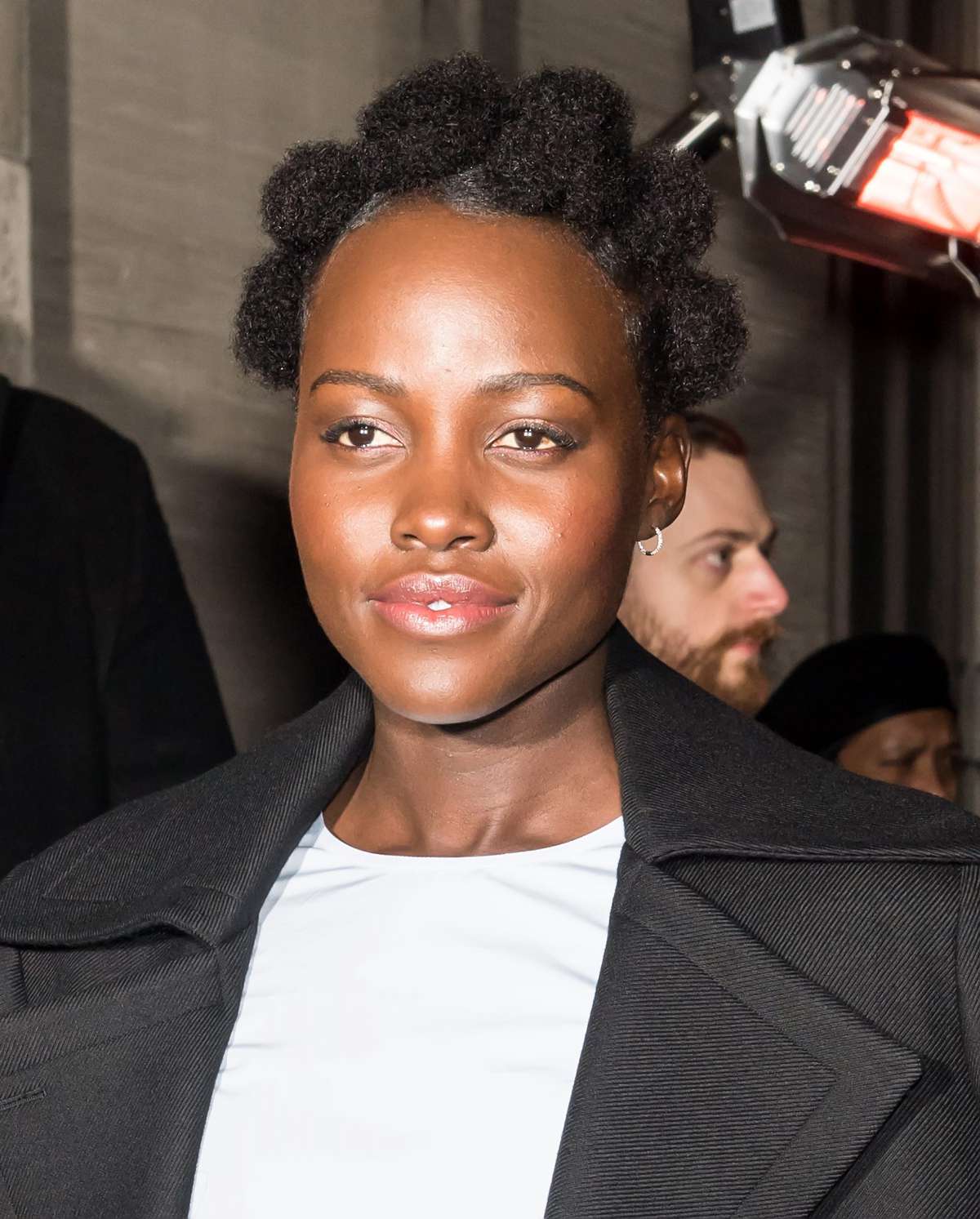
The twisted curls with flawless form spring out over the tightly braided cornrows on the sides, which create a kind of faux undercut. Here is one of the best hairstyles for short natural hair, especially if you want an updo to show off your curls. The upward braids draw the eye to those adorable twisted curls on top. It’s a snazzy hairstyle that can be worn with or without bangs.
#2: Twisted Out with a Side Part
If somebody is ever looking for a unique way to spruce up their natural hairstyles, the Mohawk is always the first place people turn. However, for those unwilling to make such a daring commitment, this chic alternative is perfect. It looks great with natural hair, and provides the edginess of a Mohawk while remaining fashionable. Embrace your frizzy curls and let them go crazy in a modified afro hairstyle.
When Will My Natural Hair Feel 'Professional' Enough for a Headshot? - Glamour
When Will My Natural Hair Feel 'Professional' Enough for a Headshot?.
When styling short black hairstyles, Ali’s fave products include her own all-natural olive hair oil. She recommends both Nairobi Foam and Silk Elements MegaSilk Olive Shampoo, too. She also loves Tea Tree Shampoo and Awapuhi Shampoo and Conditioner by Paul Mitchell.
Tapered Cut
French braids are beneficial for any hair texture and length. Once you learn how to French braid, you can braid your hair yourself and take French braids in and out as you please. This type of braid is a great hairstyle for short to medium length natural hair because of its flexibility. Goddess braids are like cornrows, but they are bigger and raised away from the scalp. Like many braided options for short natural hair, goddess braids are protective and you can style them for any occasion.
"There are so many shades of blonde and there is a blonde for every skin tone, that's the magic," says Nai'vasha. "There's a sense of liberation attached to statement hair. Blonde is indeed that." If you're transitioning, a braided updo is the perfect way to protect your new growth as your curls begin to grow in and your dead strands grow out. Two buns are a simple and cute look that never go out of style.
#18: Cornrows Hairstyle for Mature Women
Like the Afro, Bantu knots are another hairstyle that represents African culture. It is created by sectioning the hair and then wrapping it around itself to create a firm knot. Your mane looks beautiful when your curls are well defined. This girl also rocks golden spirals sticking up and out but they are cut in a more rounded shape and by far clearly textured. Gel, gel and you guessed it, gel will be the number one product to smooth down those curls but still keep them defined.
It’s incredible how diverse a teeny weeny afro can be! Personalize yours with a hard deep side part and sleeked edges. If you want the sides to be super smooth, consider the molding technique. Opt for a purple shampoo or conditioner to prevent your hair highlights from yellowing too quickly and use as needed between salon visits. Braid both sides of your hair following a horizontal line, and then put the hair in front in twists.
From extra short chops and sassy pixies to classy bobs, they flatter all women, regardless of age, hair color, skin tone, or preferred style. The next iteration of short natural hairstyles with ornately shaped undercut features a voluminous crown emphasized with blonde curls and the hair getting shorter toward the back. Modern short natural haircuts customize the classic afro to reveal the beauty of different curl patterns and enhance facial features. So, if your bone structure cries for volume around the forehead, get your coils nicely defined and go for lavish bangs.
But the best idea might just be the classic, side-parted afro. For those preferring to stay away from braids, knots, or other more confined styles, twisted curls are for you! The twists with undone ends have a flirty, enthusiastic vibe sure to brighten your mood.
Healthy hair looks best, and your curls look the nicest when they’re taken care of. This is one of the cutest short natural hairstyles for black women that showcases the importance of healthy hair. If you are blessed with curly hair and seek a low-maintenance hairstyle, try one of these short natural hairstyles for black women.
You’re luckier than most if you have naturally dense curls! When you go to the salon, ask for a wash-and-go style that allows your natural curl pattern to shine. Short natural Afro curls are a must-try for anyone with natural hair. This hairstyle balances masculine and feminine looks, embodying androgyny well. The short and spiky haircut is very popular amongst trends in female grooming.
Lupita Nyong’o, the queen of short, natural hairstyles, makes a strong case for mini twists in this deep-part pixie. This look is the perfect example of how natural hair can easily be shaped into the trendiest hairstyles. Natural short hairstyles don’t have to be completely natural. It’s more about natural texture — the color is totally up to you. Plus the color blocking is a creative way to transition from black to blonde.
Despite the title, the style doesn't actually require a relaxer. Perm rod sets help you achieve soft, voluminous heat-less curls without the damage. The style can be done on dry or wet hair using curling creams or mousse and perm rods.
Some reviewers say it leaves their hair feeling greasy, so if you have oilier hair, this may not be the best choice for you. You've probably seen this product at your local store's curly hair section, and it's a staple for textured hair types for a reason. Its creamy texture hydrates hair so it's more manageable and smooth, making detangling a breeze. This is the ideal deep conditioner for anyone with heat-damaged or chemically treated curly hair. Foster also uses it in her New York salon because argan oil, shea butter, and keratin proteins add moisture and repair damaged, weak hair within the cuticle. You can smooth frizz and flyaways by using enough product in your styling routine.
What to Look for When Shopping for Conditioners for Curly Hair
Formulated with natural hair in mind, Pattern's Leave-In Conditioner promises to detangle, hydrate, and define tight textures. Although, even shoppers with waves rave about the frizz-free shine it leaves behind. Standout ingredients include biotin, honey, and plant oils—and it smells amazing thanks to jasmine, bergamot, and sandalwood.
TGIN Super Moist Leave-in Conditioner
If you have looser curls, aim to wash your hair every three days, or every other day if your scalp gets greasy. This should ensure the oils and butters in your hair products do not build up and drag your curls down, making your locks look limp and lacklustre. If you're sporty, or simply too busy for frequent shampooing, try co-washing in-between full washes to freshen up your mane.
These moisturizing products will leave your crowning glory feeling nourished. Byrdie contributor Melanie Rud has over a decade of experience in the beauty industry, writing for some of the biggest magazines and websites out there. She considered dozens of products for this roundup, researched peer-reviewed journals, and consulted our testing insights. Our product testers tried some of the top-rated products for weeks at a time, taking note of how well they delivered results as well as any extra product features. Byrdie contributor Bianca Lambert took it for a spin and gave it a perfect five-star rating.
Created and loved by one of the UK’s leading salons for afro and curly hair types, it's perfectly tailored to treat damage from root to tip. This vegan, ultra-light conditioning rinse from celebrity stylist Justin Anderson‘s brand, DpHue, is perfect for wavy and type 3 hair. “Key ingredients to avoid for all hair types, particularly curly and wavy textures, are surfactant-based sulfates like SLS and SLES.
Best For All Hair Types
This shampoo works equally well on wavy, curly, and coily hair and fine, medium, and thick textures—which is no small feat. Everything about this sudser feels extra luxurious, from the creamy lather (even though it is sulfate-free) to the subtly sweet floral scent. Plus, it helps keep your curls moisturized via the addition of manuka honey to add hydration and ceramides that help lock it in. However, it doesn't define curls as well as some other picks on this list. If your hair is on the thinner side or you prefer lightweight products, go with Philip B. This leave-in cream offers weightless moisture and a hint of shine while sealing dry ends and protecting your hair from heat damage.
Aveda Nutriplenish Deep Moisture Treatment Mask
I'm talking, like, LeBron levels—it's in almost every hair product I use, and this leave-in conditioner is no exception. Thanks to the hydrating oil in the formula, it helps add definition to your curls without weighing them down or leaving behind a greasy residue. Not only does this leave-in conditioner smell like a yummy blueberry smoothie in a bottle, but it also repairs, strengthens, and moisturizes your curls. Consider this your perfect middle-of-the-road leave-in conditioner—not too light, not too heavy, just a perfect mix of mango butter, coconut oil, and grapeseed oil that'll leave your curls soft and shiny.
John Frieda Frizz Ease Dream Curls Shampoo and Conditioner
This mask can be used on either dry or damp curls, and Babbitt says that it simultaneously corrects the high porosity and low shine levels typical of curly hair. "The Flawless Repairing Deep Conditioning Masque is the perfect deep conditioner for my girls with curly hair," says Sims. "The combination of Biotin, Creatine, and Rice Oil complex in this product fortifies the hair and repairs any existing damage while providing hydration and reducing frizz to curls." This product promises to strengthen, smooth, and hydrate the hair with keratin and coconut oils.
Best conditioners for natural curly hair
Try taming them with this lightweight formula that replenishes and detangles. It contains organic ingredients, including silk protein and coconut oil, that help control frizz, define curls and prevent breakage. Curly hair is beautiful, and often envied by those in the straight-haired camp. Curly-haired folk often find that traditional shampoos and conditioners leave their tresses dry, dull and frizzy.
We also appreciate the nice creamy lather that still rinses out cleanly. Teich calls this her "go-to, everyday shampoo." Thanks to its sulfate-free formula, it's color safe and "strikes the perfect balance of cleanliness and hydration," she adds. "The scent is absolutely addicting — I get compliments on how good I smell every time I use it." As with any Moroccanoil product, this is packed with smoothing argan oil.
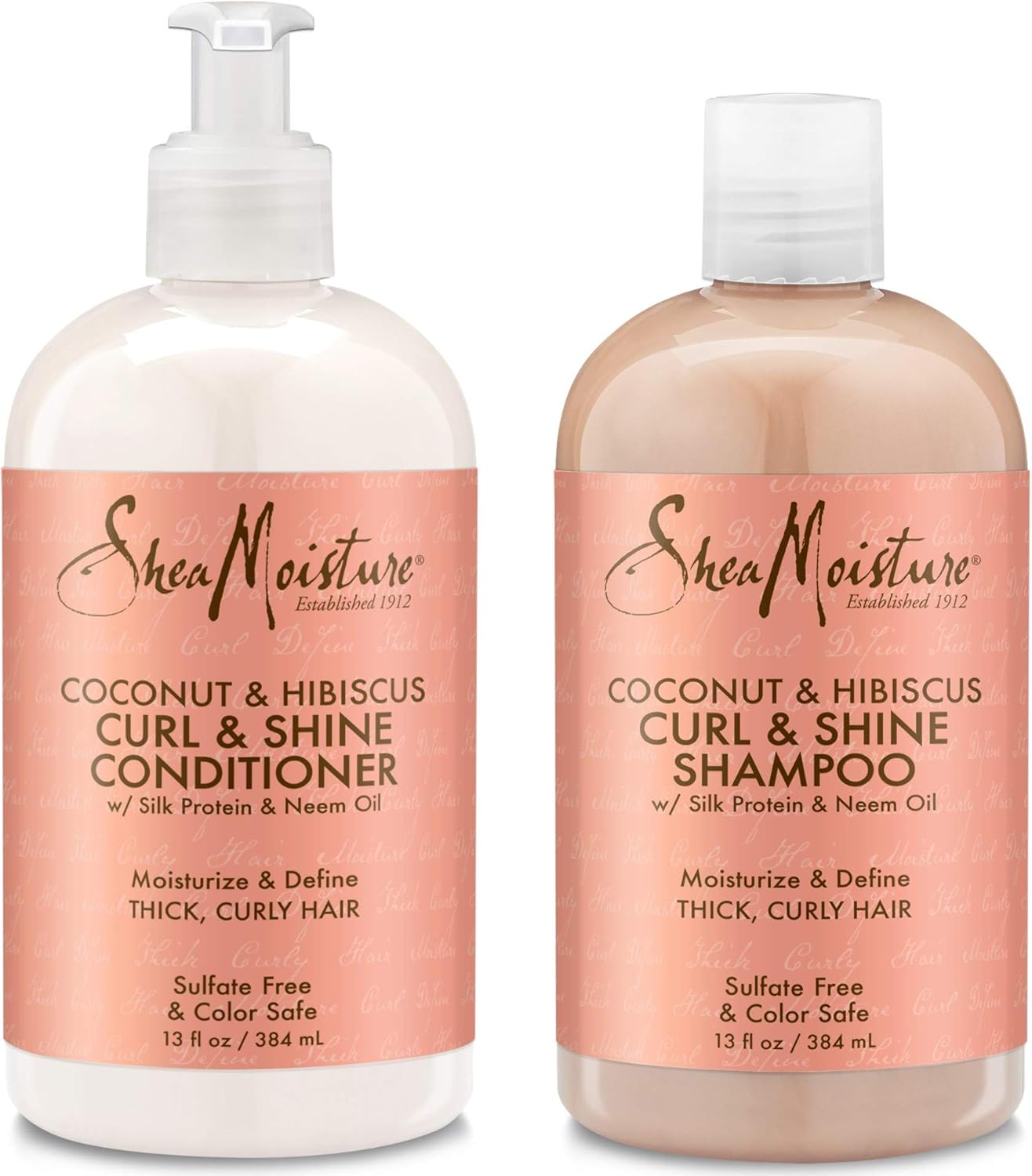
"It has helped so so much with my breakage and just makes my hair look overall healthier and so shiny," says one Ulta reviewer. Others found that spraying directly into their hands helped control the amount of product they used to coat curly hair. Shea Moisture's Coconut and Hibiscus Curl and Shine Conditioner is made with silk proteins for added shine, as well as coconut oil for moisture. This creamy, yummy-smelling conditioner also contains mango seed butter, jojoba oil, hibiscus extract — all of which offer major hydration. Okay, so you don’t need to use a pre-wash treatment, but it can be a good way to give your curls a little extra care. What’s unique about this one is a proprietary blend of proteins specifically meant to target the needs of curly hair (which, FYI, has a different composition of proteins than straight hair).
Simply apply from root to tip, rake through with your fingers and say hello to perfectly separated, smooth curls. "It's not greasy and goes in [hair] smoothly," says one Target reviewer. In general, steer clear of products containing sodium lauryl sulfate, a harsh salt and detergent that can strip hair of its oils and increase frizz by lifting the hair cuticles.
I Tried Olaplex Products On My Natural Hair - Here’s What It Did To My Hair - Essence
I Tried Olaplex Products On My Natural Hair - Here’s What It Did To My Hair.
This leave-in spray can be used on wet or dry hair and was our favorite pick for this particular scenario. The black-owned beauty brand prides themselves on their all-natural formulas and this one promises to hydrate and enhance your curls without weighing them down with sunflower seed oil, ginger root oil, panthenol, and vitamins C and E. With wheat protein, lemongrass, and chamomile, the lightweight formula hydrates and protects your hair while adding pumped-up volume to fine curls. Just scrunch a quarter-size dollop of this volume hair product onto your damp curls to add some body to your natural texture. It’s part-leave-in conditioner, part-curl-cream styler, so if you're super lazy (and working with fine, not-too-dry curls), you can use this as a one-and-done product.
While there isn't just one shampoo and conditioner that's best for curly hair (because curls aren't one-size-fits-all!), there are certainly ingredients to look for and those to avoid. As Dr. St. Surin-Lord tells us, formulas to look out for include natural ingredients like argan oil, avocado oil, jojoba oil, coconut oil. And, wherever possible, avoid formulas with drying phthalates, sulfates, and other unnecessary filler ingredients.
Keep in mind that it's designed to be activated by heat — like the brand's star product, the Dream Coat, it doubles as a heat protectant, so using it as a leave-in won’t do much. If you've got tight curls or coils that are always getting tangled up, this leave-in is for you. Not only does it help to prep the hair for styling products, but it makes detangling a breeze.
Pattern Beauty Cleansing Shampoo
But to the point of volume, it's the addition of hydrating shea butter and avocado oil that increases fullness and body without weighing the hair down. (Because, although curly hair can often look big, it can also easily go limp and fall flat.) We especially love it for our fine-haired friends, but note that you may need a deep conditioner if you're prone to dry hair. As any curly-headed beauty will tell you, this texture requires an entirely different set of products and styling techniques than straight hair. At the risk of getting overly complex, straight hair has symmetrical follicles while curly hair follicles are asymmetrical. The number of bonds between the keratin (protein) within the hair shaft affects exactly what type of curl pattern you end up with.
Do conditioners make a difference when styling curly hair?
Take stock of your current hair regimen to avoid over- or under-moisturizing your locks. The cream features hair-loving ingredients from shea butter and prickly pear oil to zinc and a vitamin E, treating the entirety of your hair from scalp to head. And while it's expensive, you do get nearly 500ml of product which will last at least a few months. The Umberto Giannini Thirsty Curls Conditioner is designed to prep your hair porosity for maximum absorption. With hyaluronic acid to drink in moisture, and Tremella Snow Mushroom for long-lasting hydration, it takes the edge off frizzy hair and reduces hair breakage thanks to the inclusion of black oat extract. "Because you have to use so much conditioner as a curly girl, finding an affordable formula is wise" says Rhiannon Derbyshire, our Senior Beauty Editor.
"If you need moisture you want to see that is the main purpose of the deep conditioner," says Ashely. In addition to our top tested products, we included picks from our Lab scientists, editors, professional hairstylists and top-rated online reviewed products. She has worked with a number of high-profile celebrity clients, including Christina Aguilera, Celine Dion, Britney Spears, and Chrissy Teigen. It was easy to lather up, helping to soften hair, without being heavy or too thick.
Best for Wavy Hair
Angelone prefers moisturizing creams, while Toves-Vincilione suggests using a hydrating and reparative balm like the Authentic Beauty Concept Replenish Balm ($31). With jojoba and tea tree oils, this conditioner provides high-quality moisture. Jojoba oil is easily absorbed into the hair, because it mimics the oil our scalps naturally produce. "This is a tried and true styling product that never disappoints me. Creamy styling milks always leave my curls ultra-hydrated and defined. And this one does just that," confirms Byrdie editor Olivia Hancock. Sulphate-free and colour-safe, both the shampoo and conditioner have an appealing coconut scent and rinse out quickly.
Curly hair is identified by hair that is a mix of loose and tight curls, with the circumference of most ringlets measuring about the same width as a piece of sidewalk chalk. Coily hair, on the other hand, has tighter and more consistent ringlets. While the "I woke up like this" look has never been cooler, those of us with curly or wavy hair know that it's not as effortless as it sounds.
The formula
If your curls require a deep conditioner that you’ll need to spend the night in, Kimble recommends sleeping in a shower cap or bonnet to minimize mess while keeping conditioner in place. Caps can also ward off breakouts from conditioners making unintentional contact with your skin. Since the best deep cleansing conditioners are so hydrating, they can be used much less frequently than a run-of-the-mill conditioner. Kimble recommends taking a moment to deep condition once a week, or once every two weeks. “People with natural hair should deep condition on their wash days to regain those vital minerals," she adds.
The Briogeo Curl Charisma Hydrating Conditioner is an all-natural, vegan conditioner that excels in smoothing flyaways and boosting hydration to define all types of curls. Powerhouse ingredients like rich amino acids, mollis leaf extract, and tomato fruit ferment strengthen strands and lock moisture in the hair cuticle to minimize frizz, all while keeping curls consistently soft yet well-defined. Additionally, antioxidizing ingredients like shea butter hydrates without bulk, while rich avocado oil adds sheen to dull strands. Even if you take painstaking care of your curls with carefully chosen shampoos, conditioners, and curly hair products, the best deep conditioners for curly hair deserve a place in your wash day routine. A shampoo and conditioner regimen for dry hair can’t always solve frizz, split ends, and dullness on its own. For curly and natural hair, lathering on a single deep conditioner goes a long way to promote extra hydration and shine.
‘Ginny & Georgia’ Star Antonia Gentry Debuts as Aveda Celebrity Partner in New Campaign for Diverse Curly Hair Types - WWD
‘Ginny & Georgia’ Star Antonia Gentry Debuts as Aveda Celebrity Partner in New Campaign for Diverse Curly Hair Types.
The conditioner is created with naturally derived ingredients that are free from parabens, sulphates, silicones and artificial dyes, meaning it's curl-loving from root to tip. You can use this Deep Conditioner from Bread Beauty Supply as a moisturising mask or detangling conditioner. Created without silicone, but rich in oils such as starflower oil and Kakadu plum, it's perfect for travel thanks to the unique packaging, which also ensures you're able to get every last drop of product. Aveda's Be Curly Conditioner is responsibly packaged and manufactured, with a wheat protein and organic aloe blend that is designed to tame frizz and add shape back to lackluster curls. Safe for color- and keratin-treated hair, the formula also includes UV protection to prevent further breakage and damage. However, be prepared to splurge as this product is a bit costly compared to other competitors.
Generally speaking, curly hair can require a good amount of styling products, and over time, all those products can build up (on both your hair and scalp). That's why the occasional use of a purifying or clarifying shampoo—like this one from Tracee Ellis Ross's line—is so important. It offers a seriously deep clean and also contains antioxidant-rich matcha green tea, aloe, and panthenol to ensure your hair stays strong and healthy. It can dry your locks out if you use it too often, so we suggest keeping it to once a week at most.
Beauty Lab top-tested products and GH editor favorites round out the rest of our list. Theresa Holland is a freelance beauty writer specializing in hair care, skincare, and makeup. She interviewed three experts for this story, including a celebrity hairstylist and a licensed cosmetologist specializing in multiracial hair. Before making her final selections, she compiled their product recommendations, reviewed insights from our testers, and referenced several peer-reviewed studies about the effectiveness of various ingredients. You can find more of Theresa's bylines on The Spruce, MyDomaine, and Verywell Health.
Because it’s free from parabens and other harsh chemicals, the conditioner won’t irritate or dry out your scalp. While it’s light enough to be used daily or as a styling cream for wavy hair, it isn’t quite heavy enough to hydrate extremely dry or coily hair. If you do have slightly thicker, wavy hair, you may have to use extra product to experience its full effect. The gentle formula is safe for color-treated hair, thanks to hydrolyzed quinoa, which strengthens and repairs damaged strands and ensures vibrant shades until your next appointment. Built-in UVA/UBA protects the scalp from sun damage, especially when the conditioner is used as a leave-in or styling tool.
Free from all the major drying ingredients (sulphates, alcohols, etc), the shampoo contains shea butter and cacao, while the conditioner includes aloe vera leaf and jojoba. Thick, curly hair often requires more detangling power (as well as the right brush for curly hair!). If you're someone with dense tendrils or close coils, opt for a thicker pick like Pacifica's Pineapple Curls Defining Conditioner, or Briogeo's Curl Charisma.
"When applying moisturizing conditioners or treatments, apply plenty of product, work in sections for max absorption, and detangle as you go for even distribution," says Toves-Vincilione. He adds that you should always "allow time for [these products] to do their thing. Rinsing products out too soon is counterproductive, especially on low porosity curl types." This luscious conditioner is designed to deeply condition hair, leaving it smoother, more moisturized, and healthier. As its name suggests, its packed with coconut oil and hibiscus extract, as well as other naturally soothing botanicals like olive oil, mango seed butter, and shea butter. SheaMoisture’s formula is free of sulfates, parabens, and silicone—just note that it is on the thicker side, which is great for detangling but can clog the pump bottle. This leave-in option from Austin-based brand Verb is a great pick for all curl types seeking a more hydration.
"All curls have different curl patterns, which makes every head of curly hair different," The Salon Project master stylist Stephanie Angelone says. "It includes loose waves, soft curls, tight curls, and ringlets," she adds. Unlike your typical in-shower conditioner, these deeply moisturizing products can stay on from anywhere from 10 to 15 minutes to overnight (to wash out the next morning).
This formula is infused with castor oil, which is extracted from castor beans and is super nutrient-rich. It’s often used to promote hair growth, which makes it all the more incredible for restoring damage and breakage. When using this conditioner, make sure to add a little extra to your ends to leave them feeling much smoother and more nourished. Not only can it be used as a mask, but it also delivers 15 times stronger hair and 94 percent less breakage in one use alone (according to the brand). Briogeo's Curl Charisma Conditioner is all-natural and loaded with goodness.
The original contributions presented in the study are included in the article/supplementary materials. Further inquiries can be directed to the corresponding authors. ● Goat melatonin receptor 1A SNPs affects melatonin to exert its function. In people who did not admit to drug use, urine testing was more effective at picking up cannabis and benzodiazepines, and hair testing was better at detecting cocaine and oxycodone.
Folliculitis: What It Is and What You Can Do About It
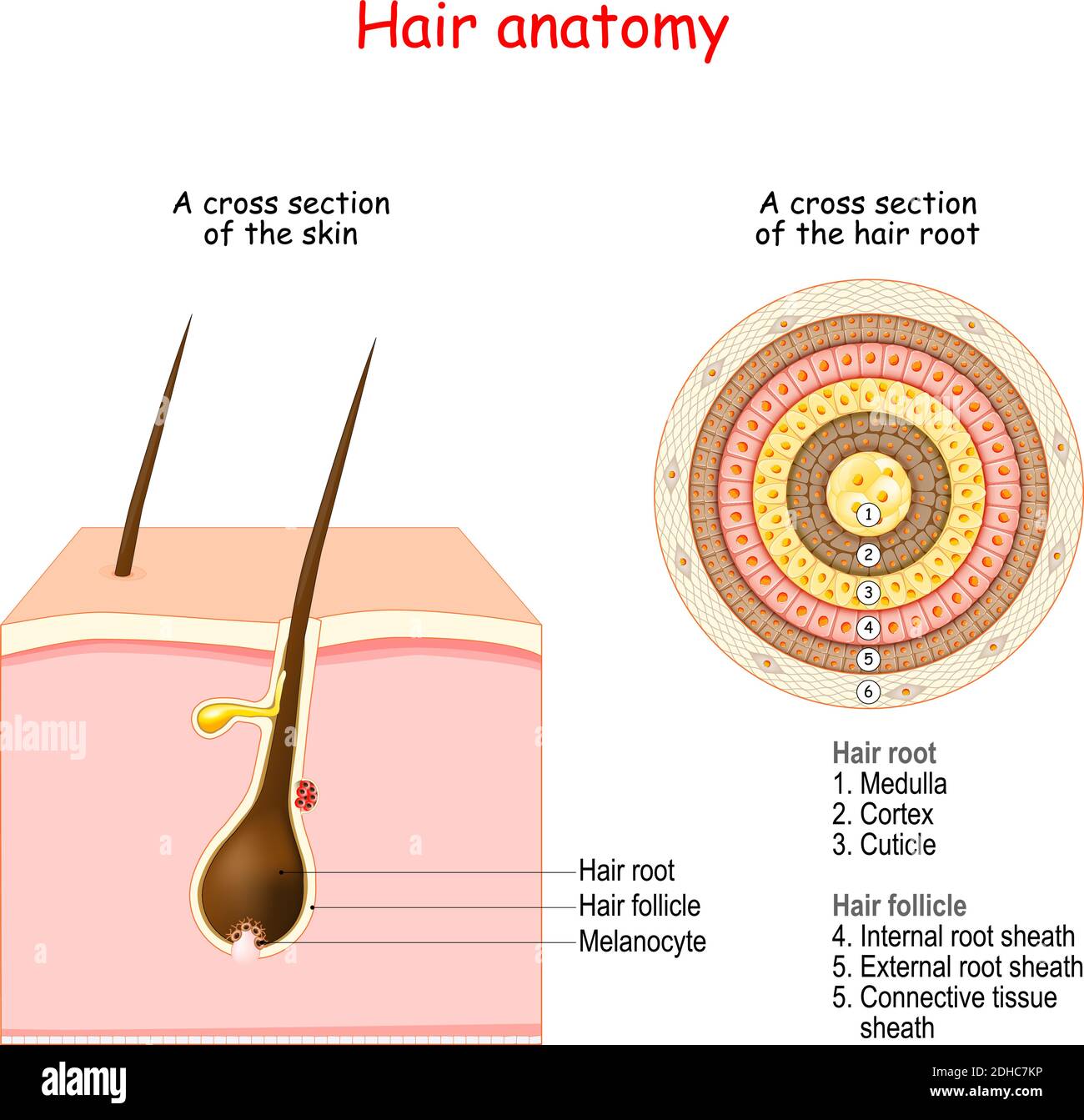
The internal root sheath is composed of three layers, Henle's layer, Huxley's layer, and an internal cuticle that is continuous with the outer layer of the hair fiber. The follicle is the primary structure from which hair can grow. The histological arrangement of the follicle is divided into outer and inner root sheaths. You can help keep your hair healthy by taking care of your overall health. Eating nutritious foods is one way to improve hair from the inside out. Check with your doctor if you have questions on your hair’s growth and how it might be impacted by your health.
Nanotechnology-based techniques for hair follicle regeneration - ScienceDirect.com
Nanotechnology-based techniques for hair follicle regeneration.
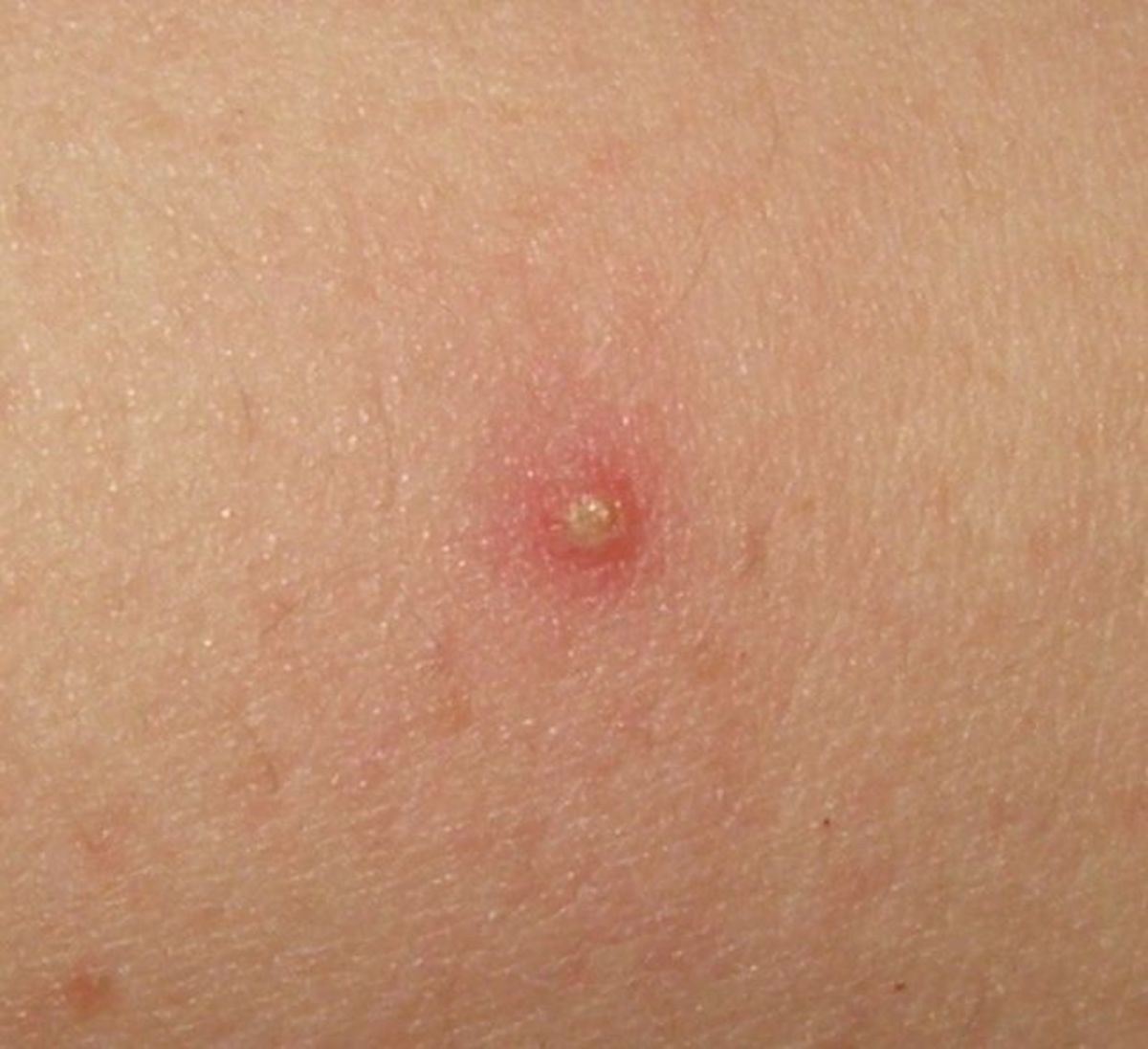
Folliculitis is usually caused by Staphylococcus bacteria (Staph) or types of fungi. While you can contract Staph bacteria through bodily contact with someone who has it, folliculitis caused by fungi is not passed through physical contact. You can develop folliculitis from bacterial or fungal infections. It’s important to note that treatment for folliculitis may take several weeks or even months to fully resolve the condition. In some cases, folliculitis may recur even after successful treatment, but taking preventive measures such as avoiding tight clothing and practicing good hygiene can help reduce the risk of recurrence.
Timeline
In this article, we explain why blocked hair follicles occur and how you can prevent and treat them. A skin culture test may also be done to determine if the folliculitis is caused by a bacterial, fungal, or viral infection. During this test, a sample of the affected skin is obtained and sent to a laboratory for analysis. If you have a persistent rash or bumps that don’t go away after a few days, it’s important to see a doctor.
The role of dexamethasone in mediating the contradictory effects of Wnt antagonists SFRP2 and SFRP3 on human hair ... - Nature.com
The role of dexamethasone in mediating the contradictory effects of Wnt antagonists SFRP2 and SFRP3 on human hair ....
These results have greatly expanded the seed cell bank for HF regeneration and solved the problem of the lack of a cell source. However, the problems these cell sources have in common are that their potential to regenerate HF fails to be maintained during long-term culture in vitro. The optimization of the culture system in vitro and the improvement of reprogramming efficiency are challenges for HF regeneration.
You can also contract folliculitis caused by Staph bacteria through contact with items, such as razors, towels, or clothing used by someone who has bacterial folliculitis. Your hair’s appearance is determined partly by the shape of your hair. If your hair has a circular circumference, it will be straight. Hair follicles are made up of many different components, but these are the four key structures. “I would honestly say that Kenhub cut my study time in half.”–Read more. If a follicle has been damaged, it’s not possible to restimulate it.
Recognizing the Symptoms
In addition, there is very limited research on human secondary follicles and melatonin. This will also be a limitation for goats as a research model for human alopecia. ● Melatonin did not affect goat primary follicle and litter size. However, there was a positive correlation with secondary follicle growth. Whereas urine drug tests can detect recent drug use, hair follicle drug tests have a much larger window of detection.
What are the risk factors for folliculitis?
The results of the effect of melatonin on cashmere production in goats are considered credible. However, more research is needed to support this conclusion. Because home tests are sent to a lab, they're comparable to regular hair follicle drug tests. Neither type of test is 100% accurate, even though they go through a two-step process. The Calecim hair restoration programme uses stem cell technology to reduce scalp inflammation and restore healthy hair-growth.
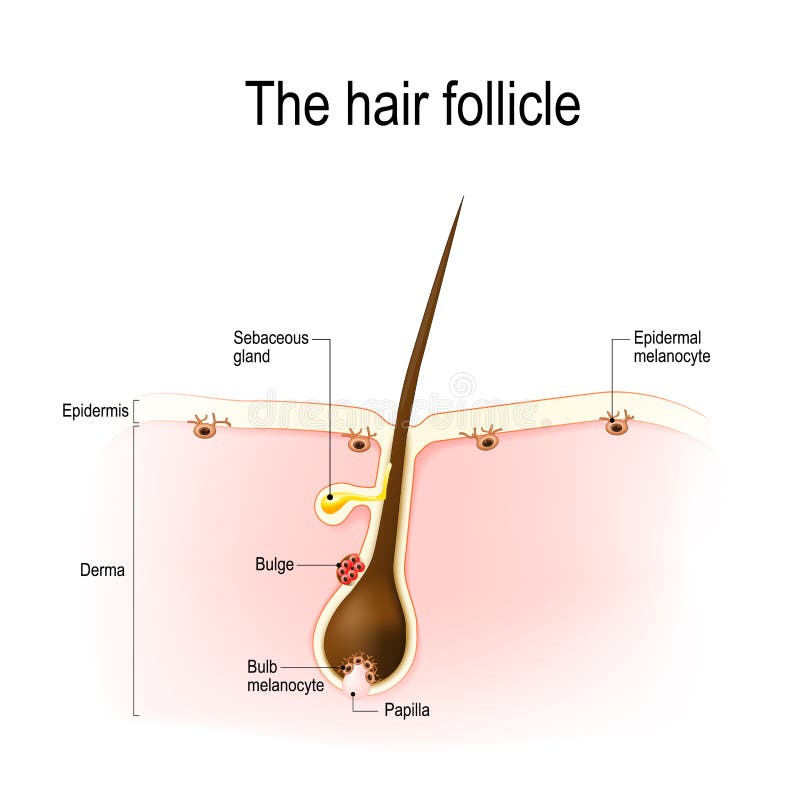
It begins at the surface of the epidermis and extends to the opening of the sebaceous duct. The isthmus is the area between the sebaceous duct opening and the bulge. The bulge is an area of the follicle marked by the insertion of the arrector pili muscle.
At the end of the growth phase, the hair root separates from the papilla. Then a transitional phase called the catagen phase starts, lasting about two to four weeks. When the hair has separated completely from the papilla, the supply of blood is cut off in the final resting phase, which is also called the telogen phase.
Pseudofolliculitis barbae and sycosis barbae, for example, are two types of folliculitis are closely linked to shaving. These conditions are much more common in men who are frequently cutting beard hairs. Think of folliculitis like a blanket term — it’s the family that each of these specific types of skin conditions lives under. Each type of folliculitis can have its own appearance, symptoms and cause. Often, the thing that causes the condition is one of the biggest factors that sets each type of folliculitis apart.
It is important to be aware of the chemicals in the products you use on your skin and to avoid those that can cause irritation. If you experience symptoms of folliculitis after using a new product, discontinue use and consult a dermatologist. Viral folliculitis is caused by the herpes simplex virus and is most commonly found around the mouth. It can be contracted through close contact with an individual who has the virus or through contact with infected items such as eating utensils. The cross-sectional shape of hair also determines the amount of shine that the hair has.
Ingrown Hairs
The results of the network meta-analysis were landscaped and processed using 3DMax software (version, 2023). In a laboratory, a procedure called enzyme-linked immunosorbent assay (ELISA) is performed on the hair sample. The metabolites of a drug react to the test to show a positive, negative, or invalid response.
How does hair grow?
The orange line represents the horizontal line in the traditional sense. A hair follicle is a part of the skin, which grows a hair by packing old cells together. Attached inside the top of the follicle are sebaceous glands, which are tiny sebum-producing glands in almost all skin except on the palms, lips and soles of the feet. The thicker the hair, the more the number of sebaceous glands there are. A proliferation of fine lanugo hairs past the neonatal period can be a symptom of malnutrition and aid in diagnosing anorexia nervosa. Hair transplantation has become a therapeutic option for those who fail to have hair growth with medication.
Melatonin and goat litter size
Seek medical advice based on your symptoms and causes to address thinning hair effectively and regain hair health. While hair thinning might not always lead to visible baldness, it can still significantly impact the overall look and feel of the hair. Both hair loss and hair thinning can be influenced by various factors, including genetics, hormonal changes, medical conditions, and lifestyle factors. Folliculitis is a common skin condition commonly triggered by bacterial or fungal infections.
Hay fever symptoms, causes, treatments and cures
Areas of the skin covered by swimwear such as the buttocks are most prone to develop the rash, but it may also affect the skin directly exposed to the contaminated water. Chemical folliculitis can occur when harsh chemicals come into contact with the skin, leading to irritation and inflammation of the hair follicle. This can include chemicals found in hair dyes, lotions, and perfumes. It is important to note that not all bacterial infections are harmful. In fact, many bacteria are beneficial to the human body and help to maintain a healthy balance of microorganisms on the skin. Talk with your health care provider about the risks of the treatments you're considering.
Cell division in the papilla is either rare or non-existent. The unwanted loss of hair, known as alopecia, is a widespread condition affecting both sexes, occurring in numerous patterns, and classified into non-scarring and scarring (cicatricial) subtypes. The hair follicle is a skin appendage located deep in the dermis of the skin. While your hair color can change throughout your life, your hair follicle, which is part of your skin, is the same color as your natural skin tone.
Biological and mechanical influence of three-dimensional microenvironment formed in microwell on multicellular ... - Nature.com
Biological and mechanical influence of three-dimensional microenvironment formed in microwell on multicellular ....
Babies often get folliculitis on their chest and back, too. The most common form of folliculitis, it causes itchy, white bumps filled with pus. You can get it if you cut yourself and bacteria (usually staph) gets in. Most of the time, folliculitis isn’t spread from person to person. If your folliculitis is caused by a germ that lives naturally in water or soil, it could infect other people, too.
The matrix is the part of the hair follicle where matrix keratinocytes proliferate to form the hair shaft of growing hair. Melanocytes are mixed amongst the matrix cells to provide the hair shaft with color. Its function is to produce hair and enclose the hair shaft. A hair follicle consists of two main layers, an inner (epithelial) root sheath and an outer (fibrous) root sheath. At the base of the hair follicle is the hair bulb, which houses the dermal papillae and hair matrix cells.
Folliculitis Symptoms
Scalp biopsies, hormone studies, and a potassium hydroxide examination for fungi may also need to be performed in certain cases. It is important to diagnose hair disease correctly, as the treatment for hair loss is dependent on the diagnosis. Androgenetic alopecia, which is known as male pattern baldness when it presents in men, is a condition that affects the growth cycle of hair follicles on the scalp. The hair cycle slows down and weakens, eventually stopping altogether. According to a 2015 article, recent research has suggested that hair follicles aren’t just “resting”’ during the telogen phase. A lot of cellular activity happens during this phase so that the tissues can regenerate and grow more hair.
Goat melatonin receptor 1A SNPs affect melatonin to exert its function. The wild-type gene defect of MR1 is a valuable animal model. Future studies should focus on the relationship between goat SNPs and the effect of embedded melatonin. This study can provide a reference for improving cashmere production and a suggestion for animal models of human alopecia. Figure 5 compares the promotion of hair follicles by melatonin in humans and goats, which can provide more reference for goats as a model animal.
You get this from swimming in a pool or sitting in a hot tub where pH or chlorine levels aren’t balanced. You’ll see a rash of round, itchy bumps a day or so after being in the water. Your skin may feel irritated and sore, especially when pimples and cysts form in areas that rub together and cause friction.
Pregnant women often utilize these scans to track the fetus’s growth. A transducer, which generates the sound waves, and a monitor, which shows the obtained pictures, are the pieces of equipment used in ultrasound scanning. Thanks to considerable advancements in ultrasound technology, medical experts may now acquire comprehensive photos of the baby, including traits like baby hair. Indeed, the existence of baby hair may be seen in the high-resolution pictures generated by contemporary ultrasound scanners, offering an intriguing window into the developing fetus. Sonography, another name for ultrasound, is a kind of medical imaging in which images of the interior of the body are produced by sound waves. Ultrasound is an essential tool in prenatal treatment for tracking the fetus’ growth and development.
Table of Contents
In order to try and determine whether or not there is hair present, technicians must look closely at the specific area where the baby’s head will be located during the scan. The technician should also use special techniques such as contrast imaging, Doppler flow mapping, and 3D imaging. These methods can help increase visibility and make it easier for them to spot any signs of potential hair growth. They develop it inside the womb to keep warm and regulate their body temperature.
What Weeks Do You Get Ultrasounds During Pregnancy?
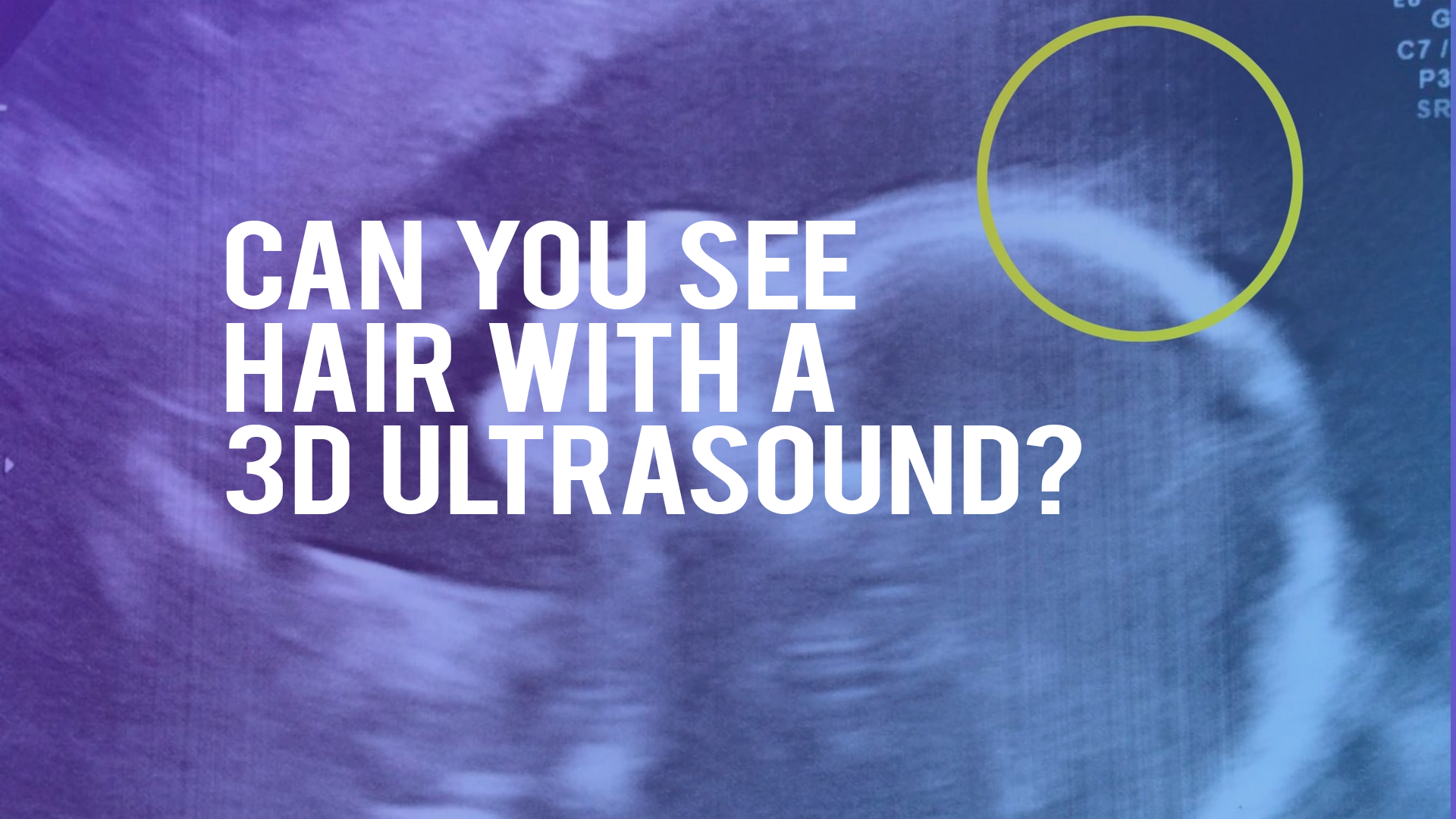
The significant factors that determine whether a baby will have hair or not are genetics and hormones. Unlike 2D and 3D ultrasounds that use sound waves to create images,4D ultrasounds can produce a live video of a baby. It uses sound waves with pictures taken at different angles to create a 3D view. However, the 2D ultrasound is the only ultrasound capable of giving a hint of hair on a baby’s head. Some parents ask how to tell if baby has hair on 3d ultrasound to get a clearer picture of their baby in their minds.
How To Tell if Baby Has Hair On Ultrasound
One of the most common ultrasound results is the ability to see different human organs and structures. While ultrasound is a useful diagnostic tool for learning about a baby’s growth, development of its organs, and general health, it may not be able to identify some physical traits like baby hair. The rate and thickness of hair development are greatly influenced by factors such as genetics, hormones, and diet.
Lanugo
Ultrasounds are a popular way for parents-to-be to get a glimpse of their baby before they are born. The ultrasound is an imaging technique used to create a picture of the baby in the womb. While most parents look forward to seeing their baby’s face, some may also be curious about whether or not their baby has any hair on the ultrasound.
Addressing the common misconception about visualizing baby hair on ultrasound
Even if you could, their hair color will likely change in the first few months of life. This is why so many people who have grown up with dark hair may have had blond hair as a child or vice versa. It takes about two years for what’s called terminal hair to grow in, so your baby’s hair will likely keep surprising you, just like it did when you were pregnant. To better understand the possibility of seeing hair through a 3d ultrasound, let us consider the different types of ultrasounds used to monitor a baby’s development.
Adorable baby has incredible bouffant hair down to shoulders at just four months and even had a ‘quiff’ on... - The Sun
Adorable baby has incredible bouffant hair down to shoulders at just four months and even had a ‘quiff’ on....
There are a few potential reasons why some babies may be born without hair. If either parent has a history of baldness or thinning hair, the baby may be more likely to be born without much hair. The phenomenon is relatively rare but not unheard of; experts say the excess hair was likely caused when the fetus produced too much testosterone or by genetics. The parents are hoping for a healthy birth and plan to keep an eye on any changes in the future. This initial ultrasound may be followed by an anatomy scan which usually happens between weeks of pregnancy.
Around this time, the fuzzy halo of hair will be visible on ultrasounds. The process of postnatal hair development is an intriguing one that differs from person to person. Some newborns have all of their hair at birth, while others may have very little or none at all. While there are variations in the postnatal hair development timetable, most newborns begin to grow hair during the first few months of life. As mentioned earlier, genetics play a significant role in determining the amount and type of hair a newborn will have. Your baby inherits genes from both you and your partner, which can influence their hair color, texture, and growth patterns.
If the hair your baby is born with is something you wish to promote then research advises that pregnant moms should ensure their diet is rich in omega 3 and fish oils. Not only will this vitamin help boost brain development and stimulate hand-eye coordination but there are some indicators that it can enhance hair growth. Some babies may be born with a full head of hair, while others may have little to no hair. A study in the Journal of Medical Genetics found that genes involved in hair follicle development and hair shaft structure are key factors in determining hair growth and characteristics. Texture change is highly individual for every baby as the hair experiences shedding and regrowth at different rates.
Whether your baby’s a hairy wonder or a bald beauty, what really matters is a healthy, happy little one. You know how I ended up with two super hairy and three less-so babies? If you or your partner have a head full of hair, chances are your baby will too. As a mother of three young children myself, I have firsthand experience when it comes to walking through difficult situations as a parent. My commitment is to share my own experiences as well as research-based information in order to provide insightful advice for all kinds of issues related to parenthood.
A Rare Medical Condition Made This Baby Born With A Full Head Of Hair An Internet Sensation - ScoopWhoop
A Rare Medical Condition Made This Baby Born With A Full Head Of Hair An Internet Sensation.
A second ultrasound usually happens between weeks, but it can vary depending on individual circumstances and doctor’s orders. Ultrasounds are a great way to get a look at an unborn baby in the womb. As technology advances, ultrasounds can show us more and more details about the baby’s development. Now, it may even be possible to see if the baby has hair while still in the womb!
On the surface, your baby’s hair will go through many shades before settling into its permanent color. Around their first birthday or a little later, your baby will begin forming thicker terminal hairs. Between 6 and 12 months old, your baby’s hair should begin forming a noticeable strength and structure as the production of the protein keratin kicks in and follicles continue to mature. Sadly, even 4-D scans do not predict hair texture, color, or any other changes in your little bundle’s hair – only time will tell. No matter what the outcome from an ultrasound may be regarding a baby’s hair, it is important to remember that all babies are beautiful in their own way. Hair or no hair, every single one of them deserves nothing but love and admiration.
During this period, bouts of hair loss are perfectly normal as some toddlers have a habit of pulling on their hair. Wearing hair in tight braids or ponytails may also cause hair loss in some areas of the scalp. The follicles they have are the only ones they’ll ever have because new follicles don’t form after birth.
Hair genes are inherited from the chromosomes received from both parents (23 from each). This collection of DNA passes on instructions about what hair traits a child is likely to have, and the results can often be surprising. “Massaging with oil can harm the development of the skull, which is still so soft and flexible” warns hair expert and cosmetologist Ghanima Abdullah.
It could be a sign of hair follicles or just extra fluid in that area, but it could also mean that there is some hair present. First and foremost, pregnant women should strive for adequate nutrition during their pregnancy. Eating a diet rich in proteins, vitamins A and D, omega-3 fatty acids, iron, and zinc is essential for both mother and baby’s health. By the 15th week, your baby’s hair pattern starts to develop as the hair pushes through the scalp.
In some cases, it may be possible to make a reasonable guess about a baby’s gender based on the hair seen in an ultrasound. For example, if there is no visible hair in the ultrasound image, it could indicate that the baby is female. However, this method is not reliable and should never be used as a definitive answer. It is not possible to tell the gender of a baby based on their hair in an ultrasound. Although the image from an ultrasound can be quite detailed, it is not possible to accurately determine the gender of a baby from the hair alone.
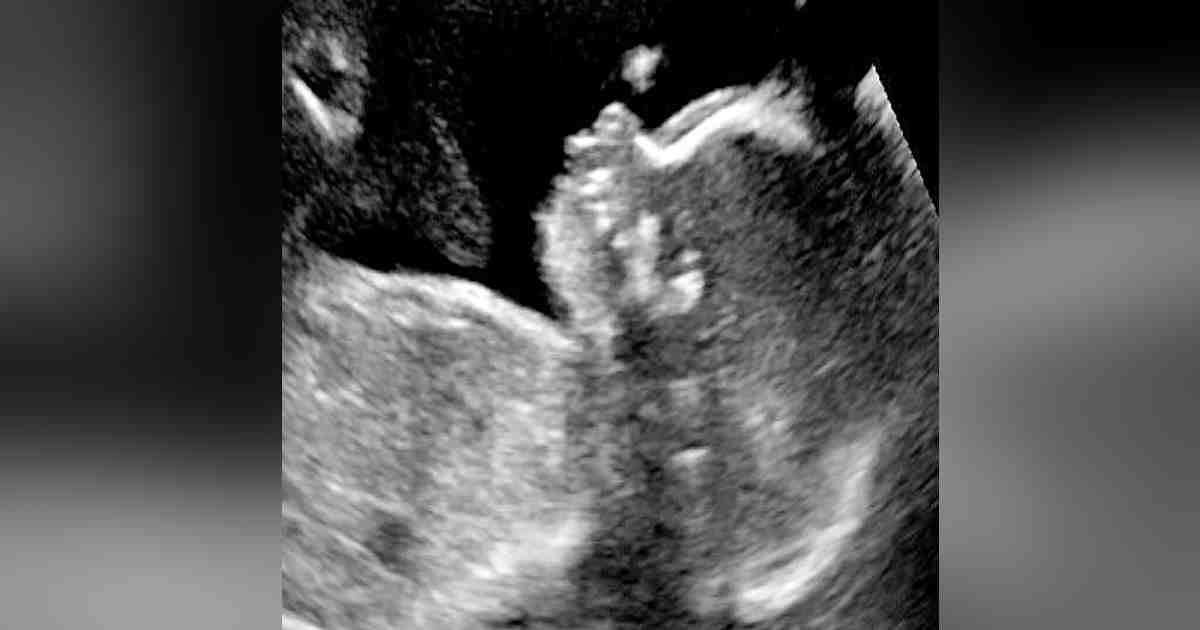
The hair formed during this period is called Lanugo, which is temporary. Therefore, knowing exactly what determines whether a baby has hair from conception is a far-fetched thought. This method is affordable and more likely to satisfy your curiosity about how to tell if a baby has hair on 3D ultrasound. While the HDLive 3D ultrasound and 4D ultrasound technologies do not display “stands” of hair, the renderings may indicate that the baby has hair since contours on the baby indicate hair. It emits sound waves that collide with structures and bounce back as reflected waves, which creates the image of the baby.
When does your baby start to grow any sort of visible hair?
First, it is important to make sure that the ultrasound is clear and has good resolution. This will allow the doctor or technician performing the ultrasound to get an accurate view of what is going on inside the womb. Once this is done, they will then take a look at the baby’s head and see if any hair can be detected.
When Does Baby Hair Change? What To Expect as Baby Grows
The ultrasound may also be able to show individual hairs which will appear as thin lines on the baby’s head. It may surprise some people to know that fetal hair actually begins growing before birth. During the 20th week of pregnancy, the fetus’ scalp will become covered with fine, downy lanugo hair which helps protect its delicate skin from amniotic fluid. As its due date approaches, lanugo will start to shed in favor of thicker terminal hairs that are more indicative of a baby’s adult hair texture and color.
Moms Share Home Remedies for Pregnancy Morning Sickness
Your baby will start to sprout fine body hair called lanugo at around 22 weeks of pregnancy, although this typically falls out within the first few weeks after your baby is born. Meanwhile, the hair on your baby’s head will also become visible around this time. Some babies grow a lot of hair, others have barely any when they’re born. Your baby’s hair color and texture may change during the first months of life. High-frequency sound waves are used in non-invasive medical treatments called ultrasound scans to provide pictures of inside body structures.
Table of Contents
This could cloud the final image and make any hair growing on the baby’s scalp difficult to see. Whether your baby is born with a thick head of hair or none at all, you can rest assured knowing it will grow in eventually. The hair that grows in afterward, called terminal hair, is often a different color, thickness, and texture than the hair the baby was born with.
Vellus is the hair a baby is born with, usually formed in the last weeks of the third trimester. According to medical experts, the best method for determining if the baby has hair is a traditional 2D ultrasound (black and white), which displays “fuzz,” an indicator that hair is present. There are three types of ultrasounds used to detect the baby’s image. Your little one may continue to grow soft, fine hair, or the increase in keratin could see thicker, curly, or wavy hairs develop. It’s not unusual for babies to lose some hair at this stage of development, and within a few months, it should grow back somewhat thicker and coarser than before. It’s important to remember that every baby is different and may develop differently during pregnancy.
Factors That Limit Hair Visibility on Ultrasound
They emit soundwaves, which bounce off of various structures within the body. On a 2D ultrasound, hair strands will appear bright white in contrast to the darker background. While my babies were bald at birth, my niece was born with a head full of thick, black hair that was clearly visible in ultrasounds around the third trimester. If you or your partner is pregnant and goes to the ultrasound technician to get a checkup on your future baby, depending on the baby’s age in utero, you will be able to see some hair. Seeing hair strands on ultrasound pictures does not directly translate to birthing a hairy baby, so not seeing hair doesn’t mean baldness.
Discussing the timeline and factors that affect postnatal hair growth
They don’t pick up the presence of hair strands but they can signal areas on the head that suggest hair growth from the scalp. Fetal hair and lanugo are two different types of hair found on fetuses during development. While they both have similar characteristics, there are some key differences between the two. Fetal hair, which is also known as “vernix” or “vernix caseosa,” is a white, waxy substance that covers the fetus’ skin during the third trimester. It is made up of dead skin cells, fatty acids, and proteins that act as a protective barrier against amniotic fluid.
Intersex: When a baby isn’t quite boy or girl - Today's Parent
During certain stages of pregnancy, it is possible for hair to become visible on ultrasound images. Expectant parents can now get a glimpse of their unborn baby’s hair on an ultrasound. Baby hair on ultrasounds has become increasingly easier to see as technology continues to advance and ultrasounds have become more detailed. The appearance of baby hair has been a much-awaited milestone for expectant parents, as it is one of the first physical features they can lay eyes upon. They can also use 3D and 4D scans which provide more detailed images than traditional 2D ultrasounds; however these types of scans are usually done for medical purposes rather than just aesthetics.
Vellus hair, also known as peach fuzz, is the short, fine hair covering most of our bodies. While ultrasounds might hint at whether or not your baby will be born with hair, you won’t know for sure until the delivery. It protects your baby from skin damage, encourages growth, and helps anchor a helpful biofilm called vernix. While many parents rejoice at being able to see their baby smile in real-time, 3D and 4D ultrasounds are considered elective and not medically necessary. 3D ultrasounds can give you a clearer image of your baby’s features than 2D ultrasounds can.
Co-founder of Curl Centric® and Natural Hair Box, Kenneth has dedicated himself to promoting ethical and scientifically-backed hair care practices. Rigorous editorial guidelines, industry recognitions, and features in numerous media outlets evidence his expertise. Kenneth’s commitment to transparency, quality, and empowerment has positioned him as a trusted voice in the field, empowering readers to confidently embrace their natural beauty.
However, they may show contours on the head that are an indication of hair. Hair growth patterns can be influenced by factors such as hormones, nutrition, and overall fetal development. Similarly, if both parents have a lot of hair, the baby may be born with a fuller head of hair. Hair development in the womb is a complex process, and the timing of hair growth can vary among babies.
Ultrasounds are often used to detect potential birth defects or other medical issues, but they are not reliable for determining gender. The accuracy of an ultrasound for gender identification is usually less than 50%. Lastly, certain medications or medical conditions may also affect how easily hair can be identified on an ultrasound scan. While you might see lots of hair on ultrasound, predicting the color is like guessing the flavor of a wrapped candy. So, keep guessing and dreaming, but don’t bet the baby booties on any color just yet.
Seeing hair on your baby’s head during an ultrasound doesn’t necessarily mean that they will be born with a head full of hair. As a dynamic husband and wife duo behind Curl Centric, our passion for curly hair has fueled a transformative journey. We hope this article has helped explain how ultrasounds show developing hair and how that image compares to the hair your baby will be born with. Although it’s often thought to be old-fashioned, the classic 2D ultrasound may show you the clearest image of your baby’s hair. While they can give you a clearer look at your baby, 3D ultrasounds don’t clearly show strands of hair.
Some babies may have shed fulls of hair that hasn’t been identified on a scan whereas you may be led to believe they have a great head of locks already. It can grow all over your little one but is prone to appear thicker on the head, ears and back which is why it can get mistaken for scalp hair. The same as the 3D scans you aren’t typically going to see your baby with blow-dried hairdo. Around this time, infant hair that began as black or dark brown may lighten to lighter brown or even blonde locks, or light hair may become darker. If your baby has been bald since shedding their hair earlier, hair may now begin to grow back anywhere between 3 and 7 months of age. Other babies may retain their fine, silky strands, though they are not likely to grow very long for a few months yet.
Patient positioning also plays a role in how accurately an ultrasound image can identify hair. By 22 weeks, hair is visible on your baby's head – and may grow like a weed or only slightly by the end of pregnancy. In the weeks after hair starts growing, cells that produce melanin get to work and begin to add color to the strands.