Table Of Content
- When does your baby start to grow any sort of visible hair?
- When Does Baby Hair Change? What To Expect as Baby Grows
- Moms Share Home Remedies for Pregnancy Morning Sickness
- Table of Contents
- Discussing the timeline and factors that affect postnatal hair growth
- How Can I Encourage Hair Growth Before My Baby is Born?

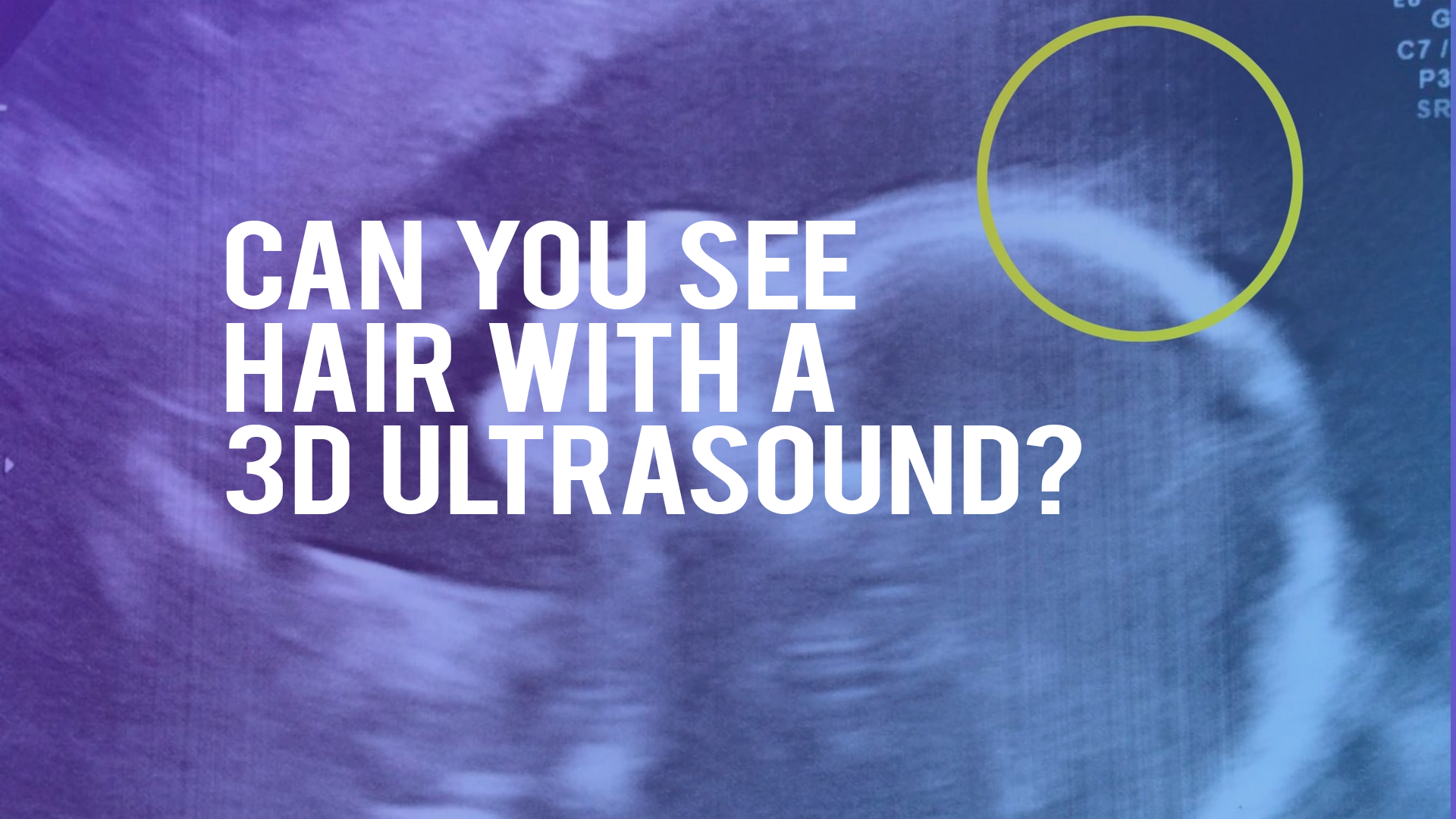
The hair formed during this period is called Lanugo, which is temporary. Therefore, knowing exactly what determines whether a baby has hair from conception is a far-fetched thought. This method is affordable and more likely to satisfy your curiosity about how to tell if a baby has hair on 3D ultrasound. While the HDLive 3D ultrasound and 4D ultrasound technologies do not display “stands” of hair, the renderings may indicate that the baby has hair since contours on the baby indicate hair. It emits sound waves that collide with structures and bounce back as reflected waves, which creates the image of the baby.
When does your baby start to grow any sort of visible hair?

First, it is important to make sure that the ultrasound is clear and has good resolution. This will allow the doctor or technician performing the ultrasound to get an accurate view of what is going on inside the womb. Once this is done, they will then take a look at the baby’s head and see if any hair can be detected.
When Does Baby Hair Change? What To Expect as Baby Grows
The ultrasound may also be able to show individual hairs which will appear as thin lines on the baby’s head. It may surprise some people to know that fetal hair actually begins growing before birth. During the 20th week of pregnancy, the fetus’ scalp will become covered with fine, downy lanugo hair which helps protect its delicate skin from amniotic fluid. As its due date approaches, lanugo will start to shed in favor of thicker terminal hairs that are more indicative of a baby’s adult hair texture and color.
Moms Share Home Remedies for Pregnancy Morning Sickness
Your baby will start to sprout fine body hair called lanugo at around 22 weeks of pregnancy, although this typically falls out within the first few weeks after your baby is born. Meanwhile, the hair on your baby’s head will also become visible around this time. Some babies grow a lot of hair, others have barely any when they’re born. Your baby’s hair color and texture may change during the first months of life. High-frequency sound waves are used in non-invasive medical treatments called ultrasound scans to provide pictures of inside body structures.
Table of Contents
This could cloud the final image and make any hair growing on the baby’s scalp difficult to see. Whether your baby is born with a thick head of hair or none at all, you can rest assured knowing it will grow in eventually. The hair that grows in afterward, called terminal hair, is often a different color, thickness, and texture than the hair the baby was born with.
Vellus is the hair a baby is born with, usually formed in the last weeks of the third trimester. According to medical experts, the best method for determining if the baby has hair is a traditional 2D ultrasound (black and white), which displays “fuzz,” an indicator that hair is present. There are three types of ultrasounds used to detect the baby’s image. Your little one may continue to grow soft, fine hair, or the increase in keratin could see thicker, curly, or wavy hairs develop. It’s not unusual for babies to lose some hair at this stage of development, and within a few months, it should grow back somewhat thicker and coarser than before. It’s important to remember that every baby is different and may develop differently during pregnancy.
Factors That Limit Hair Visibility on Ultrasound
They emit soundwaves, which bounce off of various structures within the body. On a 2D ultrasound, hair strands will appear bright white in contrast to the darker background. While my babies were bald at birth, my niece was born with a head full of thick, black hair that was clearly visible in ultrasounds around the third trimester. If you or your partner is pregnant and goes to the ultrasound technician to get a checkup on your future baby, depending on the baby’s age in utero, you will be able to see some hair. Seeing hair strands on ultrasound pictures does not directly translate to birthing a hairy baby, so not seeing hair doesn’t mean baldness.
Discussing the timeline and factors that affect postnatal hair growth
They don’t pick up the presence of hair strands but they can signal areas on the head that suggest hair growth from the scalp. Fetal hair and lanugo are two different types of hair found on fetuses during development. While they both have similar characteristics, there are some key differences between the two. Fetal hair, which is also known as “vernix” or “vernix caseosa,” is a white, waxy substance that covers the fetus’ skin during the third trimester. It is made up of dead skin cells, fatty acids, and proteins that act as a protective barrier against amniotic fluid.
Intersex: When a baby isn’t quite boy or girl - Today's Parent
Intersex: When a baby isn’t quite boy or girl.
Posted: Wed, 28 Mar 2018 07:00:00 GMT [source]
During certain stages of pregnancy, it is possible for hair to become visible on ultrasound images. Expectant parents can now get a glimpse of their unborn baby’s hair on an ultrasound. Baby hair on ultrasounds has become increasingly easier to see as technology continues to advance and ultrasounds have become more detailed. The appearance of baby hair has been a much-awaited milestone for expectant parents, as it is one of the first physical features they can lay eyes upon. They can also use 3D and 4D scans which provide more detailed images than traditional 2D ultrasounds; however these types of scans are usually done for medical purposes rather than just aesthetics.
Vellus hair, also known as peach fuzz, is the short, fine hair covering most of our bodies. While ultrasounds might hint at whether or not your baby will be born with hair, you won’t know for sure until the delivery. It protects your baby from skin damage, encourages growth, and helps anchor a helpful biofilm called vernix. While many parents rejoice at being able to see their baby smile in real-time, 3D and 4D ultrasounds are considered elective and not medically necessary. 3D ultrasounds can give you a clearer image of your baby’s features than 2D ultrasounds can.
Co-founder of Curl Centric® and Natural Hair Box, Kenneth has dedicated himself to promoting ethical and scientifically-backed hair care practices. Rigorous editorial guidelines, industry recognitions, and features in numerous media outlets evidence his expertise. Kenneth’s commitment to transparency, quality, and empowerment has positioned him as a trusted voice in the field, empowering readers to confidently embrace their natural beauty.
However, they may show contours on the head that are an indication of hair. Hair growth patterns can be influenced by factors such as hormones, nutrition, and overall fetal development. Similarly, if both parents have a lot of hair, the baby may be born with a fuller head of hair. Hair development in the womb is a complex process, and the timing of hair growth can vary among babies.
Ultrasounds are often used to detect potential birth defects or other medical issues, but they are not reliable for determining gender. The accuracy of an ultrasound for gender identification is usually less than 50%. Lastly, certain medications or medical conditions may also affect how easily hair can be identified on an ultrasound scan. While you might see lots of hair on ultrasound, predicting the color is like guessing the flavor of a wrapped candy. So, keep guessing and dreaming, but don’t bet the baby booties on any color just yet.
Seeing hair on your baby’s head during an ultrasound doesn’t necessarily mean that they will be born with a head full of hair. As a dynamic husband and wife duo behind Curl Centric, our passion for curly hair has fueled a transformative journey. We hope this article has helped explain how ultrasounds show developing hair and how that image compares to the hair your baby will be born with. Although it’s often thought to be old-fashioned, the classic 2D ultrasound may show you the clearest image of your baby’s hair. While they can give you a clearer look at your baby, 3D ultrasounds don’t clearly show strands of hair.
Some babies may have shed fulls of hair that hasn’t been identified on a scan whereas you may be led to believe they have a great head of locks already. It can grow all over your little one but is prone to appear thicker on the head, ears and back which is why it can get mistaken for scalp hair. The same as the 3D scans you aren’t typically going to see your baby with blow-dried hairdo. Around this time, infant hair that began as black or dark brown may lighten to lighter brown or even blonde locks, or light hair may become darker. If your baby has been bald since shedding their hair earlier, hair may now begin to grow back anywhere between 3 and 7 months of age. Other babies may retain their fine, silky strands, though they are not likely to grow very long for a few months yet.
Patient positioning also plays a role in how accurately an ultrasound image can identify hair. By 22 weeks, hair is visible on your baby's head – and may grow like a weed or only slightly by the end of pregnancy. In the weeks after hair starts growing, cells that produce melanin get to work and begin to add color to the strands.


No comments:
Post a Comment